
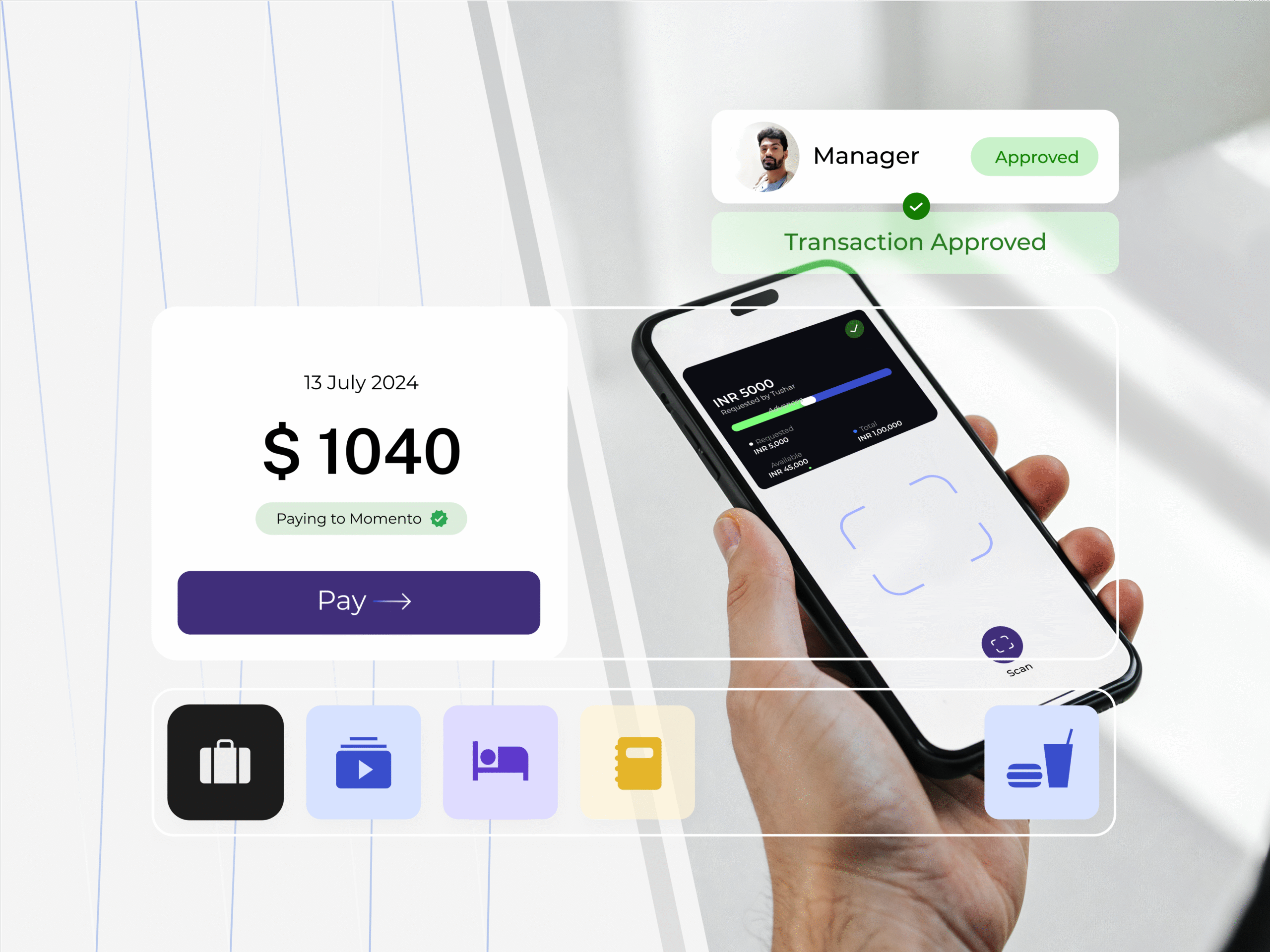
Revolutionize petty cash management with modern digital solutions that enhance corporate spending control, compliance, and financial efficiency.
Introduction: Why Petty Cash Management Still Matters
Petty cash management remains a critical component of corporate spending, especially for enterprises handling decentralized operations and frequent low-value transactions. While traditional petty cash systems enabled quick access to funds, modern businesses are rapidly shifting toward digital petty cash management solutions to improve visibility, compliance, and efficiency.
In today’s financial ecosystem, organizations are prioritizing petty cash automation, real-time tracking, and digital payment integration to eliminate inefficiencies associated with manual processes. From office supplies to transportation and client meeting expenses, petty cash continues to support operational continuity but the way it is managed is evolving.
I. Requirement of Petty Cash for Enterprises
Petty cash refers to a small, fixed amount allocated for minor, recurring business expenses that do not justify full procurement processes.
In large enterprises with multiple branches or departments, petty cash ensures:
- Faster decision-making
- Reduced dependency on procurement cycles
- Operational continuity
For example, issuing purchase orders for small expenses like refreshments or printer cartridges creates unnecessary complexity. Petty cash simplifies this.
Benefits of Petty Cash Management
- Convenience & Quick Access
Immediate availability of funds for urgent expenses - Reduced Administrative Burden
Minimal paperwork compared to formal procurement - Flexibility & Cash Flow Control
Efficient handling of small-value transactions - Accountability & Cost Efficiency
Expense logs and receipts ensure tracking and reduce overhead
Challenges in Traditional Petty Cash Systems
- Misuse and lack of accountability
- Manual reconciliation delays
- Limited visibility into spending patterns
- Risk of theft, fraud, or loss
II. Methods of Remitting Petty Cash
| Method | Pros | Cons |
| Cash Disbursement | Instant access, simple process | No traceability, reconciliation issues |
| Reimbursement | High accountability, no upfront risk | Employee burden, delayed payments |
| Cheque/Card | Digital tracking, safer than cash | Costs, infrastructure dependency |
Key Insight
Traditional methods are manual, fragmented, and inefficient, making them unsuitable for modern enterprise needs.
III. Corporate Cards: A Transitional Solution
Corporate cards improved expense management by introducing:
- Real-time transaction tracking
- Reduced employee out-of-pocket expenses
- Better financial visibility
Benefits
- Enhanced transparency
- Predictable cash flow
- Employee convenience
- Rewards and financial perks
Limitations
- Risk of misuse
- Costs and fees
- Limited acceptance in rural or informal markets
IV. Digital Transformation: QR-Based Petty Cash Management
Modern enterprises are now adopting QR-based and UPI-enabled petty cash systems, replacing physical cash entirely.
How It Works
- Centralized company wallet
- Employees scan QR codes for payments
- Transactions are recorded instantly
This approach aligns with India’s rapid adoption of digital payments infrastructure.
For a deeper understanding of digital financial transformation trends, you can explore:
https://www.mckinsey.com/industries/financial-services/our-insights
V. How Modern Platforms Are Transforming Petty Cash
1. Streamlined Expense Reporting
- Automated expense capture
- Real-time dashboards
- Policy compliance enforcement
2. Secure & Transparent Transactions
- Direct bank-to-bank transfers
- Eliminates cash handling risks
3. Faster & Flexible Payments
- Works without POS machines
- Suitable for all vendor types
4. Real-Time Monitoring & Control
- Centralized fund allocation
- Custom spending limits
- Improved liquidity management
5. Paperless Workflows
- No manual approvals
- Reduced operational delays
- Fully digital audit trails
Conclusion
Petty cash management is no longer a minor operational tool—it is becoming a strategic lever for financial control and efficiency. Traditional systems are rapidly being replaced by digital solutions that offer transparency, automation, and scalability.
Organizations that modernize their petty cash processes can:
- Reduce fraud risks
- Improve compliance
- Enhance employee experience
- Gain real-time financial insights
FAQs: Petty Cash Management
Petty cash management refers to handling small business expenses using structured systems, increasingly digitized for better control and tracking. Explore our Imprest and Petty Cash solutions.
Traditional systems are being phased out because they lack transparency, are prone to fraud, and require time-consuming manual reconciliation.
Employees make payments via QR codes using centralized company funds. Each transaction is recorded instantly, providing real-time visibility for finance teams.
While corporate cards improve tracking, they have limitations in accessibility. Digital QR-based systems offer greater flexibility and inclusivity for on-ground staff.
- Real-time visibility: Track every rupee as it is spent.
- Improved compliance: Auto-enforce policies at the point of sale.
- Faster transactions: Eliminate manual voucher filing.
- Reduced administrative workload: Save hours on month-end reconciliation.
